
I had finished my shift at work when I got the text from Jane’s daughter, Mathilda. I had started my car to let it warm up and to knock off some of the winter chill.
I figured the text must be concerning Jane. I’d not heard from either of them in years.
Fleeting memories of something one of them had posted on Facebook, something about Jane being sick, but that had been years ago. I assumed she had recovered. I’d meant to call her or visit, but I didn’t. We had, as friends do, drifted apart.
With a guilty conscience, I clicked the text message open.
Hey Scott, I don’t know if this is still your number, but I wanted to tell you that Mom passed on Tuesday. She wanted me to invite you to the funeral. She told me to tell you that Maddy will be cooking soul food for the reception. She talked about you and Karri a lot, probably more than you realize. She followed your career and even bought all your books. I’m rambling. It’s the lack of sleep. I wake up crying… I have to go but call me if you think you and your daughter would like to attend her funeral.
I shut the car off and sat and thought about Jane. Then I cried. Oh, yeah, I cried a lot. She had always been one of the sweetest, kindest people ever. Talking to her felt like sitting by a cool spring of water. You always left her feeling replenished and calm.
###
It had been six or seven years since I last saw her, and nearly four decades since I saw her regularly, and she was a daily fixture in my life. For years, when I walked Karri to school every day, Jane had been the crossing guard at Elm Street. It was hardly a street at all; it was a low-trafficked road and didn’t really need a guard. There were maybe a dozen kids and parents who passed that way daily. I was one of them, one of the lucky ones.
On our way to school, we exchanged pleasantries as I crossed with Karri, but on my way back, I would sometimes sit on the little bench and chat with Jane while she waited for any late stragglers that might come along. We took turns bringing snacks.

After Karri turned nine, she felt she was too old to have her Daddy walk her to school. I stopped. It hurt, but I stopped. But even then, I would sometimes wander out to Elm Street and chat with Jane after Karri had walked herself to the school across the street from our home.
###
Jane was at least twenty years older than me. I wanted to know, but I’m a gentleman; I’d never dream of asking a lady her age.
She was always kind to Karri and me. She would greet us with a big smile. And she was a wise woman. I was an arrogant young man and a writer who would be the next Faulkner. (Spoiler alert: that never happened.) I’ve had some success. Enough to help me coast through my last years. After Liza’s medical bills, I had to return to work. The books bring in some royalties, but not enough to live on. Working as a massage therapist brings in a little. Between the two of them and the bit of social security I get every month, I do okay; I have enough to pay my bills, and if I budget correctly, I can travel a few weeks a year. Most years, I take two trips: one to see my daughter in Texas and one to Europe. I’m slowly filling my passport with stamps from every country. Once I’m done, I will start all over again. It was Liza’s favorite thing in the world, travel.
God, I miss her.
Every morning after the three of us had a hot breakfast, I would clean the dishes, make Karri’s lunch, and then walk her to school. As a lawyer, Liza was the primary breadwinner in the family. Some of my optimism infected Liza and for a while, she believed I would make a name for myself in writing.

###
It began to snow, and the temperatures (inside and out) were falling fast. I started the car again and flipped on the wipers to brush the fat flakes away.
I thought about which way I should take to my home in Wylie. There are a lot of ways to get from Allen to Wylie, probably hundreds. I like to vary my route. Something I learned from Jane.
I can take Parker all the way to Wylie, where it turns into Ballard. Or take Central down to 14th Street, and head east until it turns into 544. There’s also the Central to 190, a tollway; it’s usually quicker that way, but I hate to pay tolls.
Mix it up. You’re too young to be set in your ways. Trust me.
I learned so much from her.
###
Thirty-Seven Years Earlier
“Good morning, Miss Jane.”
“Good morning, Miss Karri. I love that dress. That green really brings out your eyes.”
My daughter squeezed my hand and beamed up at me and my heart, as it always did, threatened to explode out of the top of my head. I knew my days of walking her to school or holding her hand in public were numbered. I was young but not stupid. I squeezed my lips tight and savored the delicious sensations she alone could summon.
“She said it brings out my eyes, Daddy. That’s what Mommy said.”
That was true.
“Good morning, Scott.”
“Good morning, Jane,” I said, waving the white paper bag of doughnuts. The snack that I would share with her once I had deposited my daughter in her kindergarten class and returned for a proper sit-down visit.
“Fritters?” she said, eying the bag hungrily. “You know the doctor told me to stop those. Are you trying to kill me?”
She laughed, I laughed. Karri looked at us both for a beat and then, because she didn’t want to be left out, laughed as well.
###
“There are two doughnut holes left,” I said, peering into the bag.
“Oh no. Not for me, thank you. I’m stuffed.”
We sat back, felt the spring wind on our faces, and sighed our contentment. It was a weird, almost intimate alliance that had sprung up between Jane and me. But if I learned anything in my time with Jane, it’s this: intimate relationships don’t always have to be sexual or even romantic.
“How’s Rocketman coming along?”
My novel.
“It’s still a mess.”
“Oh, come on. What did I tell you about that kind of talk?”
I’d never been overflowing with confidence, and Jane was helping me with that.
“To say at least one good thing about anything I do,” I said, sighing dramatically.
We both laughed.
“Well?”
“Yes?”
“I’m waiting.”
I knew her well enough to know she wouldn’t let it slide. Not when it came to my writing.
“Well, I love the beginning, and I love the ending. But everything in between? It feels like fluff. Stuff I put in to separate the beginning from the end, filler, in other words.”
“Tell me more about the beginning. What do you love about it?”
I bit my lips. Every time I thought about Charlie, my main character’s daughter, my mind naturally jumped to my daughter. There were elements of Karri in Charlie, but, for the most part, Charlie was her own person. I gasped when I first saw her emerge from my words. I cried when I killed her off in an early chapter. My structure was such that the death of his daughter isn’t revealed until much later in the novel. It was the inciting incident that enticed Robert to volunteer for a space exploration mission from which he would never return. Once she died, he just started running; Robert ended up running billions of miles (and millions of years) away from his daughter’s accidental death.
“I love Charlie.”
“And who is he?”
“She. Charlie is my main character’s daughter. I don’t want to spoil the novel for you, but I’m sure you will love her, too.”
“I can hardly wait. So, when will it be published?”
What a question!
“I wish I knew the answer to that.”
“But you’re working on it. Right?”
Another great question.
“Not at the moment, no.”
She looked at me like I’d lost my mind.
“But I don’t understand. Why aren’t you working on it every day?”
“It’s a mess…”
“Yeah, yeah, you said that already. But you know what I saw when you described how you felt about the beginning of your book?”
I said nothing to this.
“I saw you.”
I looked away, wiped my eyes, then looked back at Jane.
“I don’t understand.”
“Uh-huh, sure you don’t.”
I had to look away again.
“I saw you! I saw you bite your lips when you discussed the beginning and when you described your feelings for Charlie. You love the book, right?”
I thought about it for a second.
“Yes, I love the book.”
“Then what’s the problem?”
“Okay, Jane, I can sense some of your incredible wisdom about to slap me in the face. Can we cut to the chase? Because I’m not as smart as you think I am.”
“Boy, your Daddy did a number on you, didn’t he?”
I looked away again and remembered the thing I heard him say the most to me when I was a teenager.
If you wreck that car, I’m not going to have any way to get to work.
Okay, maybe not the best father ever, but he did his best. He’d grown up in a different era. The world did what it always does; it moved on. It keeps moving and moving and moving. The things we think are important for one time and place seldom live to the next. Ideas grow stale; innovation sweeps much aside; we evolve.
“He did the best…”
“Yeah. You’ve told me that before as well. ‘He did the best that he could with what he had.’ I’m not hating on your father. And I agree with your perspective. It’s a wise one, but that’s not what we’re talking about, are we?”
Sometimes sitting by a cool spring can piss you off.
When I didn’t answer for several seconds, she changed her tack.
“Let me ask you a question, Scott. What is the biggest thing you’ve done so far?”
That was an easy one. Clearly, the answer was Karri.
“Having my daughter. Hands down, final answer.”
She just shook her head at me.
What am I missing?
“You and your wife got drunk at her company Christmas party, came home, got frisky, the condom broke, you crawled on her, did your thing, then nine months later, along came Karri?”
Why did I tell her all of that?
“Yeah,” I said, sensing an incoming paradigm shift.
“That was a fine thing, Scott, but the biggest thing you’ve done in your life wasn’t having Karri; it was raising her.”
Semantics?
“Don’t look at me like that. It’s not just semantics.”
How did she do that?
“Every day, you make her breakfast, walk her to school, and you talk to her like she’s not just a child. You talk to her the way you talk to adults. That’s a big deal, man. Huge. The biggest thing in your life is the little things. Habits. Things you do without even thinking about them. Day in and day out, week after week, year after year. They add up. And in the end, what do you get?”
I started to answer, but she wasn’t done.
“You get a fine, young lady. Yeah, I know she’s only seven, but trust me, she is already a fine young lady. You should be very proud of that.”
I was. But I never talked about it.
“Habits, huh?”
“Habits. They are the real secret to character.”
“So, you’re saying…”
“Work on your novel, Scott. Every. Damn. Day. You’re not working on anything else at the moment, are you? Besides your plan to make me gain weight, I mean,” she said, flicking the empty bakery bag from the bench.
“I am not,” I said, picking up the bag and shoving it into my back pocket.
I was going to tell her what she wanted to hear and promise her I would continue toiling at my novel until I finished Charlie and Robert’s saga. But I realized she was right. I’m crazy about these characters, and to let them languish half-developed in a novel that could slip away from me (or perhaps me from it) and not to work on it daily was unacceptable.
From that day on, I wrote every day.
And every time I sat down at my laptop, Jane was behind me, whispering, “Habits matter.”
###
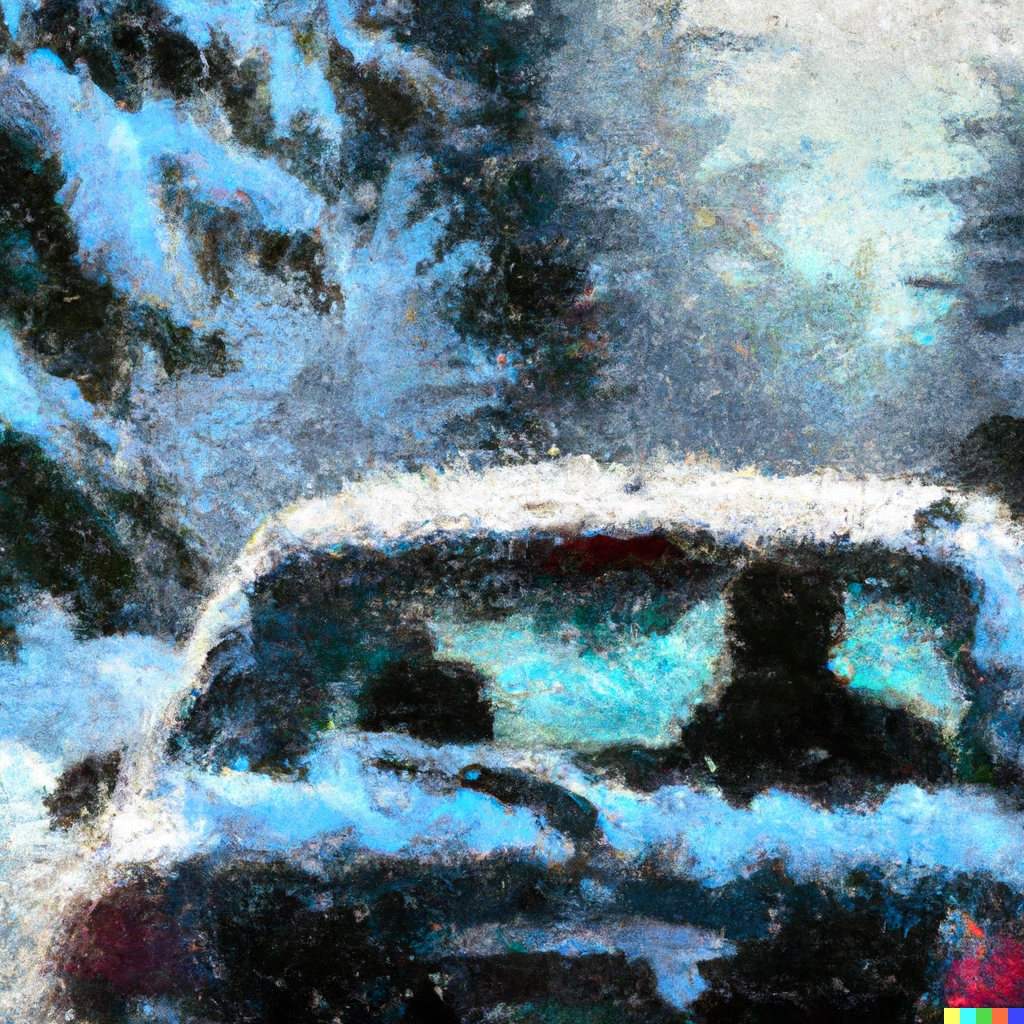
I would call Mathilda later. I needed to focus on my driving, as the roads were already getting dangerous. I needed to get home. And to get there, I would take a different way. One I’d never taken before. I would drive safely. Then I would sleep the sleep of the wholesome. In the morning, I would awaken, brush my teeth, meditate, exercise, stretch, walk, and then I would write. I would write like I had every day since a wise woman had instilled in me an enduring love of habits. I would finish my novel Rocketman, and then I would write a nonfiction book: Wisdom and Doughnuts with Jane.
 Stories by Shawn